
Voices Under Threat: The Global War on Press Freedom
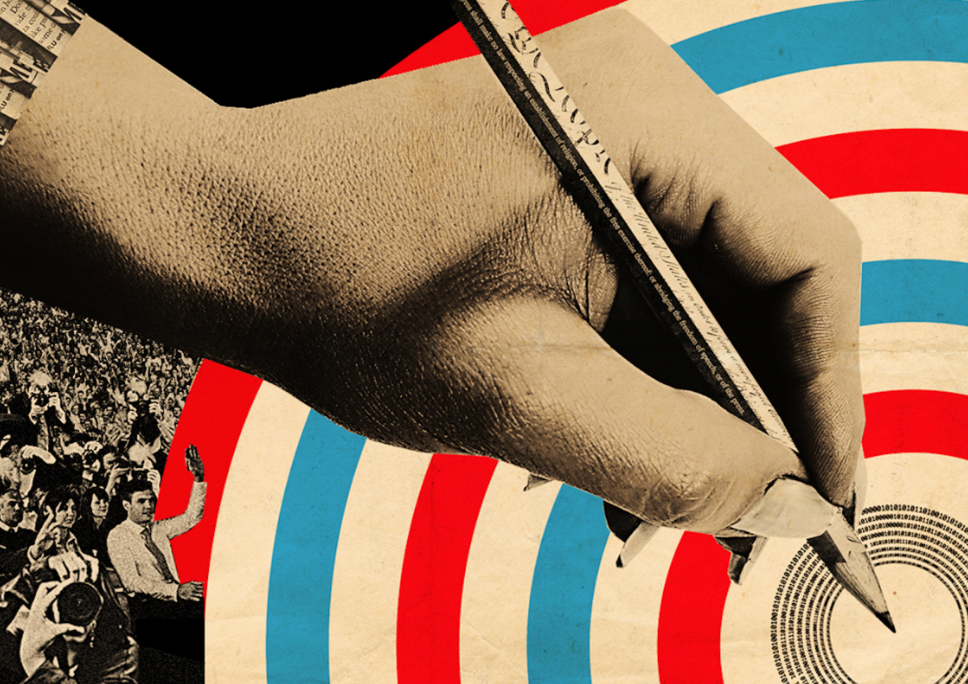
Photo courtesy: Knight First Amendment Institution
Freedom of the press is often regarded as the cornerstone of democracy. But today, the press is facing its greatest threat in decades. Journalists, editors, and even comedians are under attack for speaking the truth. From the imprisonment of journalists to the canceling of comedians, the boundaries of free speech are shrinking at an alarming pace.
A Global Decline
According to the 2025 World Press Freedom Index by Reporters Without Borders (RSF), more than half of all sovereign nations are categorized as being in a “difficult” or “very serious” category regarding media freedom. While physical attacks are the most common attacks on press freedom, the RSF warns that “economic pressure” is becoming a more “insidious problem.” These recent escalations forced the organization to classify the global state of press freedom as a “difficult situation” unprecedented in the history of the index (RSF).
From Economic Pressure to Imprisonments — the Growing Threat to Journalism
While economic pressure on news stations is rising globally, journalists in combat zones and authoritarian regimes are facing life-threatening risks. In the Middle East, the Israeli military has killed nearly 200 journalists in Gaza since the October 7th attacks. In East Asia, China remains the nation with the highest number of journalists imprisoned, while North Korea remains one of the most secret nations on Earth. Across Africa, Eritrea, the Democratic Republic of Congo (DRC), and Nigeria all plummeted in the World Press Freedom Index due to war, propaganda, and censorship.
Democracies are not immune either. Since taking office, President Donald Trump has taken various steps to restrict press freedom. These include banning specific news outlets from covering within the White House, suing media outlets for criticizing him, and even forcing the FCC, the government agency responsible for regulating interstate and international media, to cancel comedians who criticize him (Amnesty International). Officials are expressing their concerns about the United States turning more into an authoritarian state. Mark Stephens, co-chair of the International Bar Association (IBA) Human Rights Institute, says that “Governments favouring certain news organisations over others is part of the authoritarian playbook.”
Why it Matters
The danger of not being able to express opinions freely is not just a matter for journalists, because when the press is silenced, regular citizens lose the ability to make informed choices —a threat that every individual must recognize. The lack of an independent press would be no different from giving governments the right to do whatever they wish, threatening the freedom of their people and the world. When free speech is limited, satire—once a safe place for criticism—becomes nonexistent, while anyone with a voice becomes a target.
Whether through economic pressure from individuals or security threats from governments, it is becoming increasingly evident: truth is at risk, and expression is becoming a privilege. As SFS students, the right to express our voice freely is protected by the school handbook, leaving many of us oblivious to the ongoing plight of journalism. So it is essential we ask ourselves: can freedom survive when those who speak up are silenced for doing so?


Comments